

This project aims to contribute to the EU's goal of reducing emissions from the mobility and transport sectors by 90%, aiding the EU's ambition to achieve climate neutrality by 2050. By promoting hydrogen as a fuel, the initiative aligns with the objectives of the European Green Deal, the EU Hydrogen Strategy, and the Sustainable and Smart Mobility Strategy.
The project, named ‘IPCEI Hy2Move', was collaboratively prepared and submitted by seven Member States: Estonia, France, Germany, Italy, Netherlands, Slovakia, and Spain.
These Member States will provide up to €1.4 billion in public funding, which is anticipated to attract an additional €3.3 billion in private investments. Within this IPCEI, 11 companies, including small and medium-sized enterprises (SMEs) and start-ups, will carry out 13 innovative projects.
IPCEI Hy2Move will encompass various aspects of the hydrogen technology value chain by supporting the development of multiple technological innovations, including:
Mobility and transport applications that integrate hydrogen technologies in various transport modes (road, maritime, and aviation). This includes, for instance, fuel cell vehicle platforms for buses and trucks.
High-performance fuel cell technologies that utilize hydrogen to generate electricity with sufficient power for ships and locomotives.
Next-generation onboard hydrogen storage solutions, such as lightweight yet durable tanks for aircraft ensure safety and efficiency.
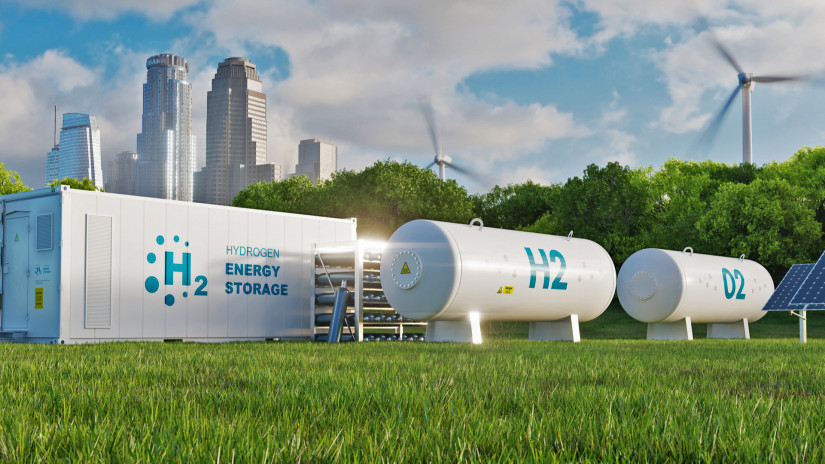
Technologies to produce hydrogen for mobility and transport applications, particularly for on-site hydrogen refueling stations that supply pressurized, 99.99% pure fuel-cell-grade hydrogen.
IPCEI Hy2Move complements the previous three IPCEIs in the hydrogen value chain. The Commission approved IPCEI‘Hy2Tech' on July 15, 2022, focusing on developing hydrogen technologies for end users. IPCEI ‘Hy2Use', approved on September 21, 2022, targets hydrogen applications in the industrial sector. IPCEI ‘Hy2Infra', approved on February 15, 2024, addresses infrastructure investments not covered by the first two IPCEIs. Hy2Move specifically addresses theunique challenges and objectives of hydrogen technology in mobility and transport applications.
The entire IPCEI is expected to be completed by 2031, with individual project timelines varying based on the specific projects and companies involved. Approximately 3,600 direct jobs are anticipated to be created, along with many more indirect employment opportunities.