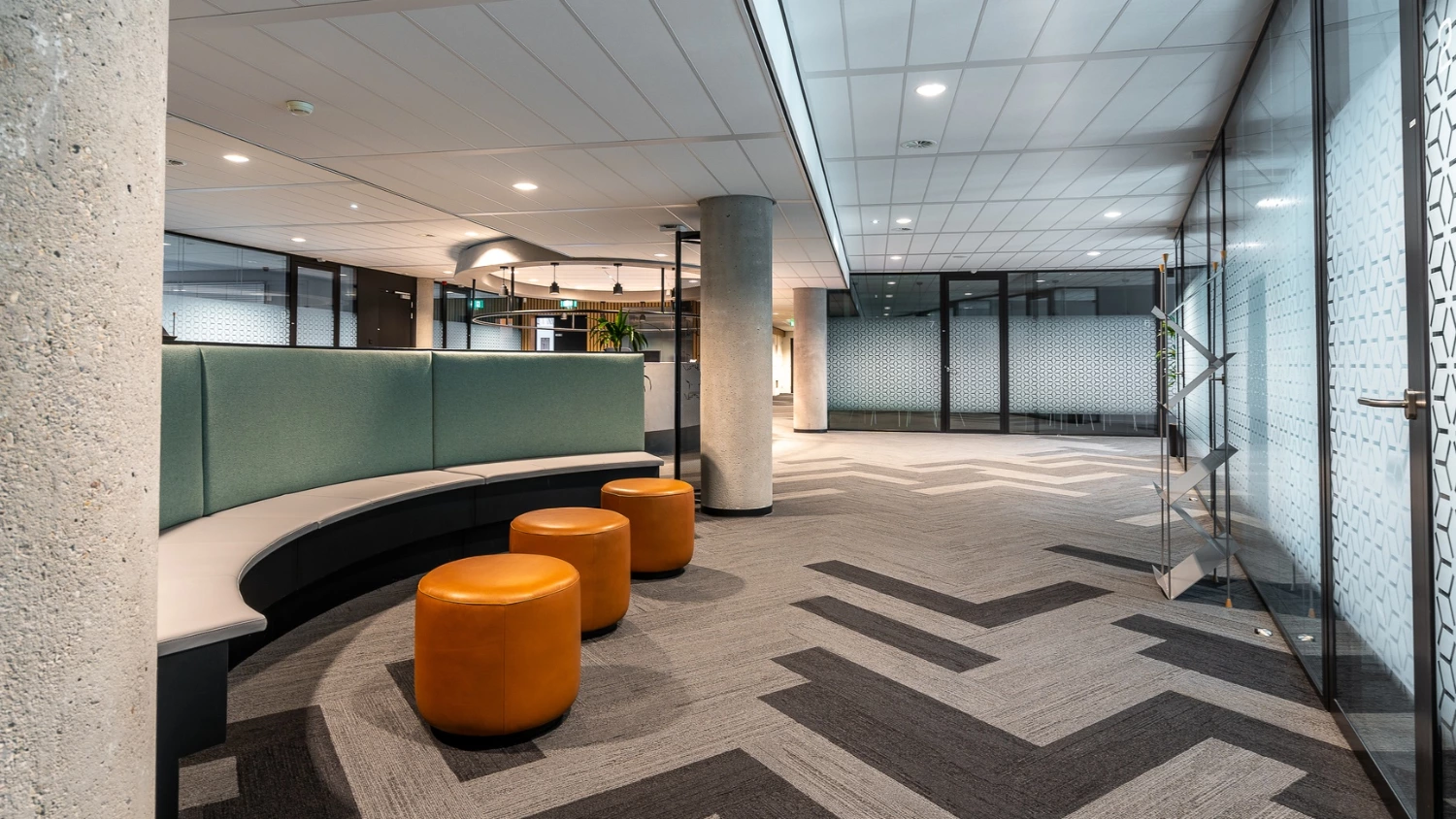
The Polish office market is entering a new phase where fit-out costs are rising while move-in-ready space becomes scarce, according to an Axi Immo analysis.
The average total office fit-out costs in Bucharest increased slightly in 2025 to around €1,000 per sqm, according to data from Cushman & Wakefield Echinox. However, Bucharest remains one of the most affordable markets in CEE, with fit-out costs 18% and 15% lower than in Warsaw and Prague, respectively.
Conducted in autumn 2025, the RICS Sustainable Real Estate Survey Europe gathered 112 responses from valuers, developers, investors and other professionals across 30 countries. The findings confirm that ESG has moved from a peripheral concern to a core driver of real estate value, risk and decision-making across Europe.
City Point Okęcie, a joint venture between Partners Group and Peakside Capital Advisors, has achieved Breeam Outstanding certification with a score of 92.3%.
The closing panel of Bratislava Property Forum 2026 highlighted a market navigating both maturity and transformation, with some segments approaching saturation while others continue to offer strong growth potential. Moderated by Martin Polák, Managing Director CEE at GARBE Industrial Real Estate, the discussion covered retail, logistics, offices, ESG, accessibility and data centres, outlining how shifting demand patterns and operational priorities are reshaping strategies across Slovakia and the wider CEE region.
A structural shift is rewriting the financial logic of European commercial real estate. It isn't being driven by ESG pressure or voluntary sustainability labels. It's being driven by regulation — and the numbers are concrete enough that ignoring them is becoming a financial risk. A recent white paper by workcloud24 traces the mechanism in detail: how the operational energy and CO₂ performance of a building transmits into net operating income, asset value, and financing conditions. The argument isn't that green buildings are virtuous. It's that inefficient buildings are becoming measurably more expensive to own, operate, and finance.
As the Polish residential market moves from volatility toward a more balanced phase, developers are recalibrating supply, financing strategies and product positioning. In this interview, Carlos de León, General Manager at Acciona Nieruchomości, explains why 2026 could mark a period of mature stabilisation rather than rapid growth, which segments and locations are set to outperform, and how sustainability, financing discipline and regulatory reform will shape the next phase of residential development in Poland.
The recent weakening of the CSRD may have some real estate developers cheering the compliance rollbacks, but the consequences could be complicated. A new research survey examines how EU real estate firms are navigating changes to the CSRD, and what that could mean for upcoming SFDR revisions.
Office buildings Anděl 17, Panorama Business Center and Victoria Vyšehrad from Českomoravská Nemovitostní's managed portfolio have obtained Breeam International In-Use certification, confirming high levels of sustainability and energy efficiency.
GTC has finalised a three-year electricity purchase agreement under a Power Purchase Agreement (PPA) structure with green energy trader Ekovoltis. As a result, all GTC office buildings and shopping centres in Poland will be powered predominantly by electricity sourced directly from renewable energy providers.
European office costs continue to rise, but companies are not compromising on their demands for high-quality work environments, according to Colliers' Occupier Fit-Out Guide 2026 study.
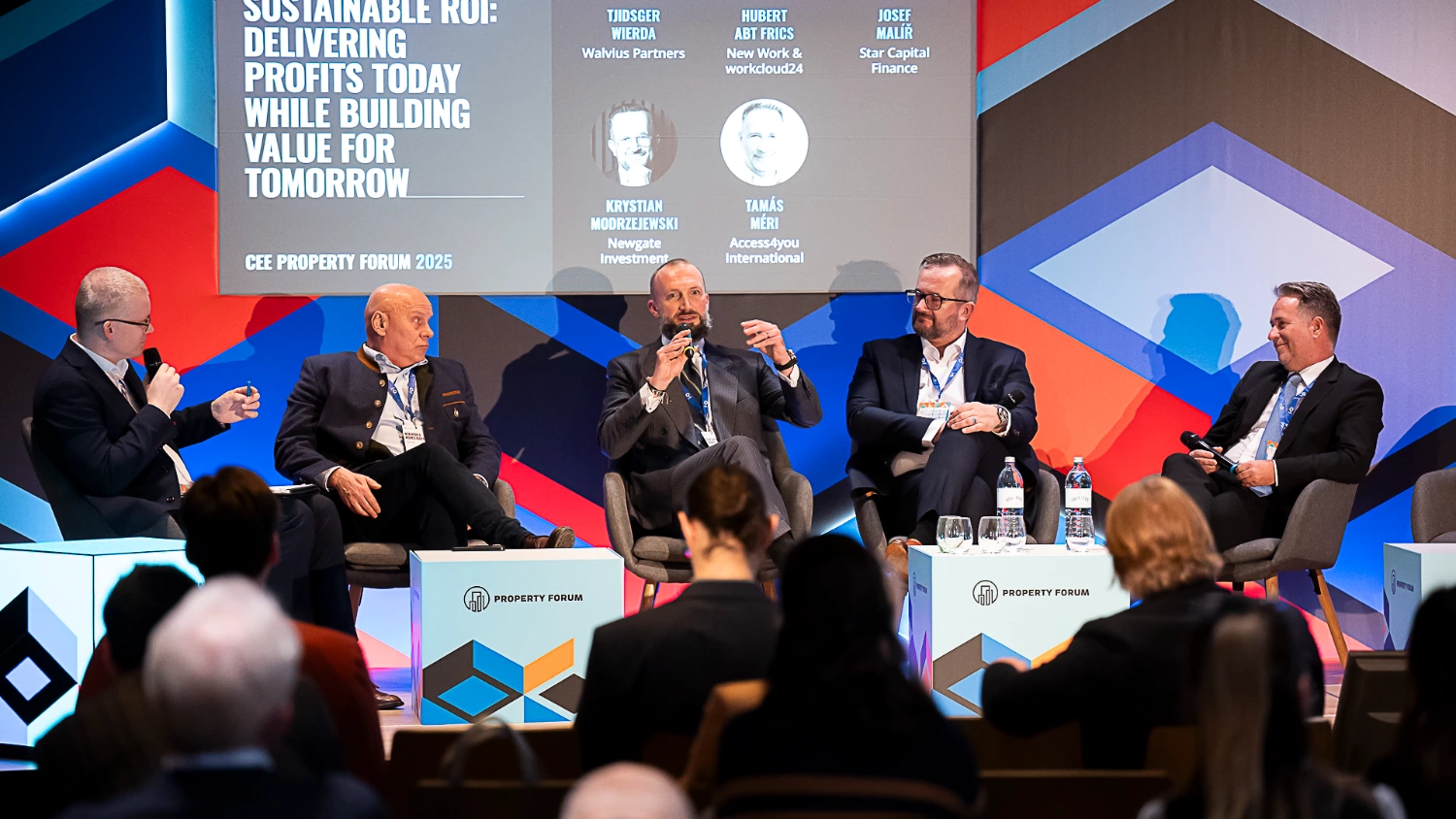
As ESG expectations move from aspiration to obligation, real estate leaders are being forced to confront how sustainability directly affects asset value, financing and long-term resilience. Chaired by ESG Partner Tjidsger Wierda of Walvius Partners, the sustainability session at CEE Property Forum 2025 brought together a range of expertise and pragmatic perspectives on the evolving role of ESG (Environmental, Social, Governance) in commercial real estate.
Andrei Ianculescu, Head of Project & Development Services at Cushman & Wakefield Echinox, talked to Property Forum about the expansion of design and ESG advisory services, the industrial and logistics sector's growth post-Schengen, and the importance of independent project management for tenant fit-outs. Ianculescu also emphasised the potential in secondary cities and the increasing relevance of aligning projects with sustainability standards.
Law firm CMS advised Prologis in Poland on its entry into a power purchase agreement (PPA) with Engie. This agreement combines the long-term purchase of electric energy from renewable energy sources with flexible market mechanisms, setting a new benchmark for the commercial property market in Poland.
The European Union has reached a provisional agreement to reduce the scope and stringency of two major ESG regulatory frameworks: Corporate Sustainability Reporting Directive (CSRD) and Corporate Sustainability Due Diligence Directive (CSDDD).
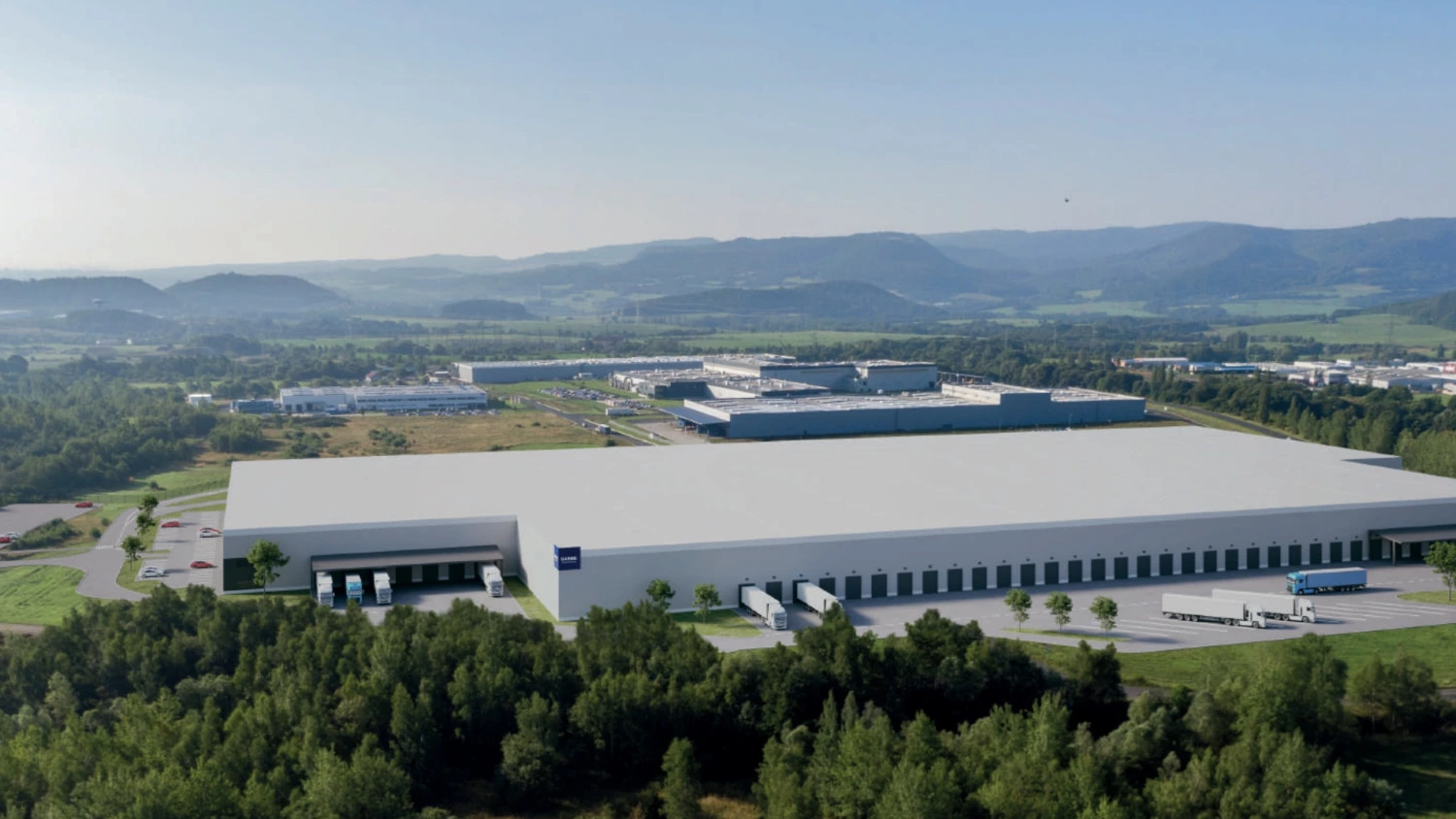
Garbe has started construction of a new 55,000 sqm hall at Garbe Park Klášterec nad Ohří II, with global consumer goods company Reckitt becoming the anchor tenant. The British multinational has leased 35,000 sqm of industrial space under a ten-year agreement and will move in during the Q2 2026.
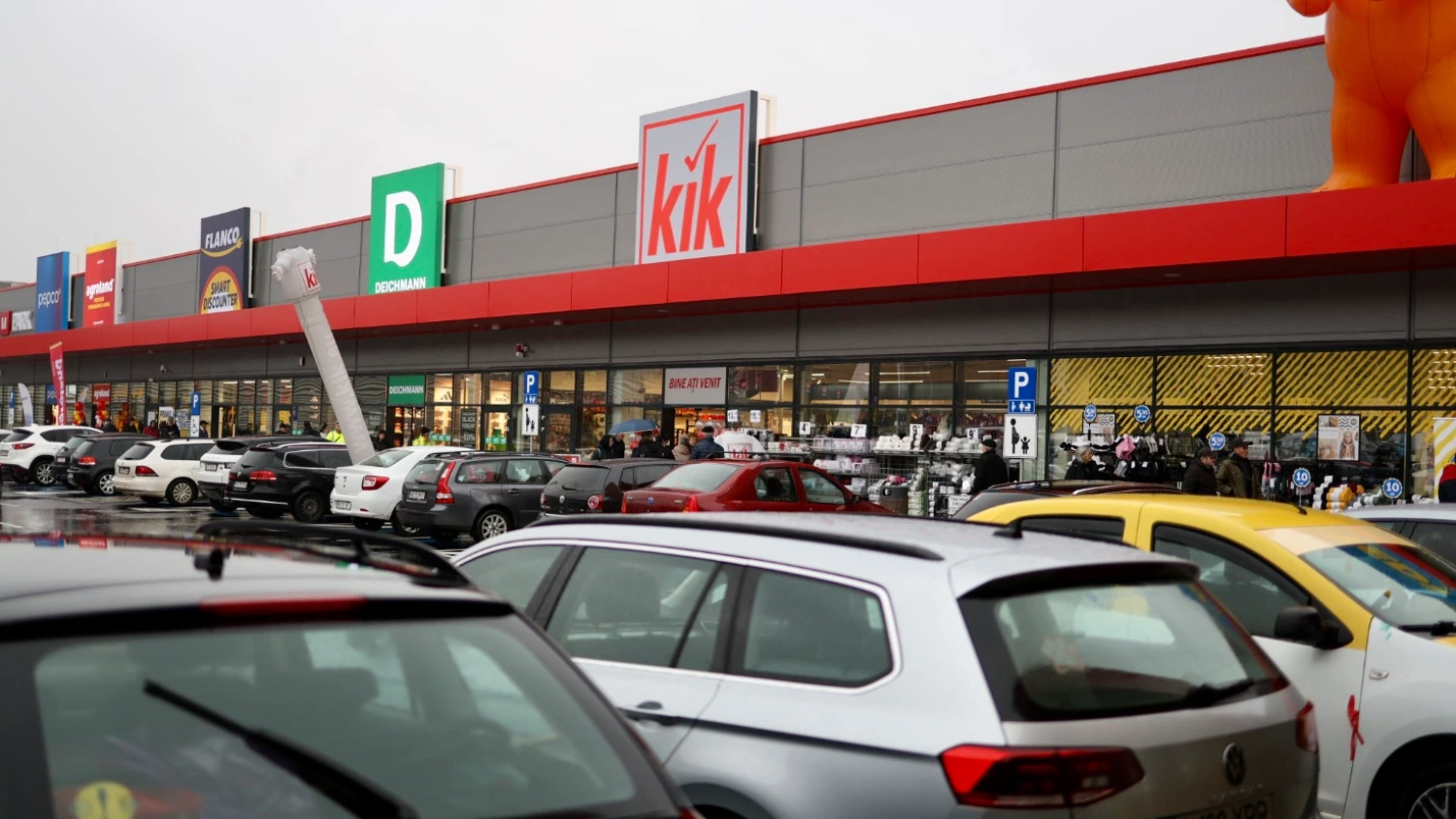
M Core has inaugurated M Park Orăștie, a retail park designed to strengthen the group's presence in regional markets and expand its national portfolio of convenience-led retail assets. Located on a 23,000 sqm land plot, the project delivers a built area of approximately 5,500 sqm.
Crestpoint Project Partners has launched a new project management and advisory platform to support developers, investors and construction companies across the real estate sector.
Older buildings usually consume more energy in operation than new construction. That is not only a cost issue. It also affects how an asset performs against market standards like BREEAM, EU Taxonomy, and CRREM, as well as regulations such as the Energy Performance of Buildings Directive and the rules for Building Automation and Control Systems (BACS). Many owners assume the only way to close the gap is a major refurbishment. Better insulation and new equipment certainly help, but they are expensive and disruptive. Investments in deep fabric and equipment upgrades can reach one to five percent of the asset value.
Property Forum recently spoke with a prominent player in the Romanian property market, who asked to remain anonymous, about the systemic challenges facing development in the capital, which risks seeing billions of euros in new investments lost due to prolonged administrative blockages.
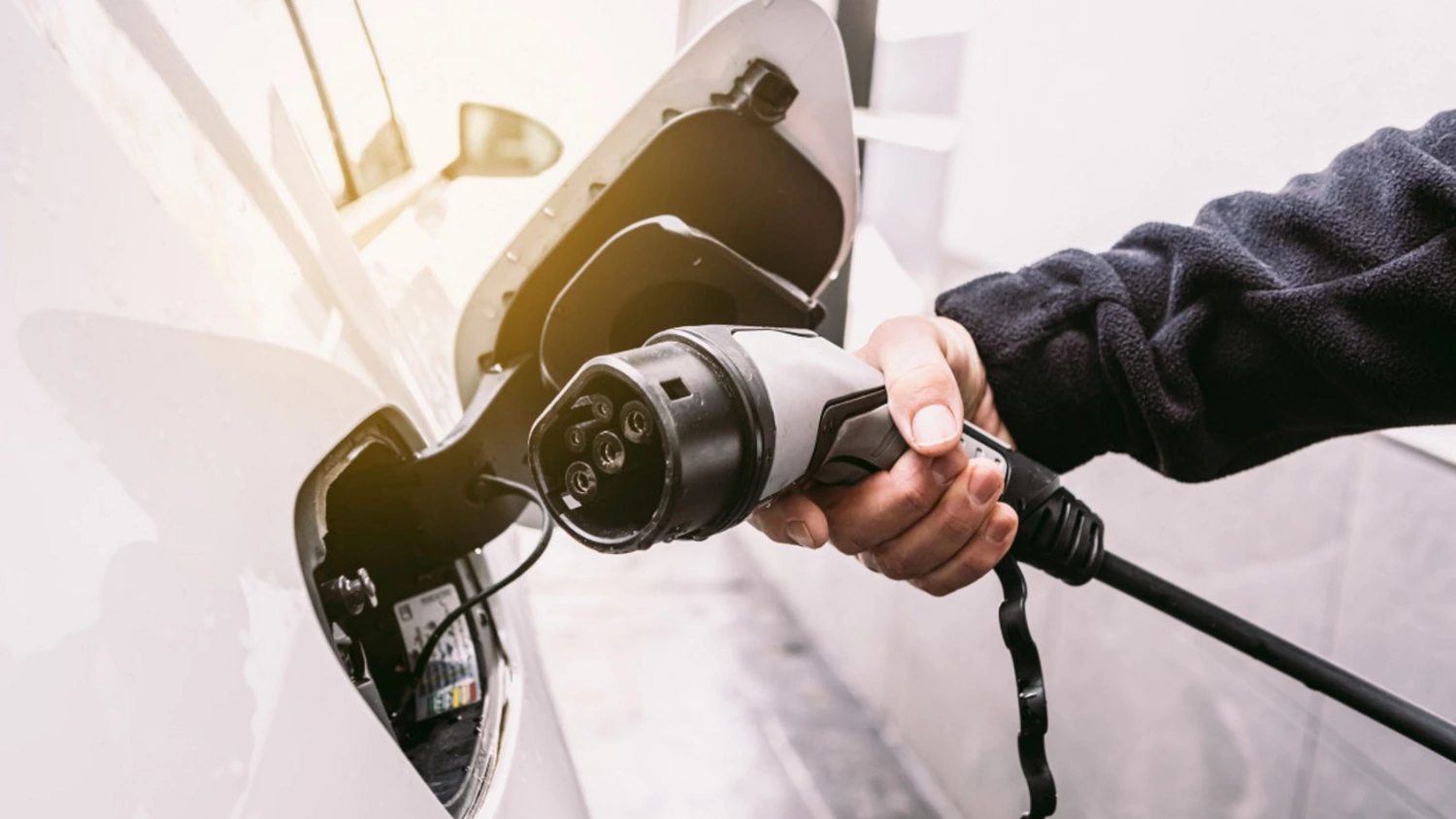
The European Bank for Reconstruction and Development is providing €35 million to GreenWay as part of a €113 million financing package to expand electric vehicle charging infrastructure across Central Europe.
The newly published Edition 2 2026 of the PV Module Manufacturer Ranking Report shows the first signs of stabilisation in the solar manufacturing sector's balance sheets after more than a year of steady deterioration. The table tracks the Altman Z-Score, a widely used measure of bankruptcy risk, for 64 publicly listed photovoltaic module manufacturers, and has now been refreshed with first-quarter 2026 data.
The Faculty of Hydrotechnics from the Technical University of Civil Engineering Bucharest and Waldevar Floating PV have signed a strategic partnership to accelerate innovation in renewable energy and prepare the next generation of specialists in floating photovoltaic technologies.
Rezolv Energy has commissioned the St. George solar park in Silistra, Bulgaria, marking the company's first project to become operational. The 225 MW facility reached full operational status in under three years from acquisition of development rights.