Energy | 9 August, 2023 at 3:30 PM
DTEK Renewables installes largest wind turbine in Romania
DTEK Renewables, a company owned by Ukrainian billionaire Rinat Ahmetov, installed the largest wind turbine in Romania, in Ruginoasa.

DTEK Renewables, a company owned by Ukrainian billionaire Rinat Ahmetov, installed the largest wind turbine in Romania, in Ruginoasa.

The Electromontaj Group announces the start of the partnership with DTEK Renewables International & Moldova Eolian, part of the DTEK energy and utilities group, owned by Rinat Akhmetov, the richest Ukrainian, for the implementation of the wind farm in Ruginoasa commune, Iasi county, worth €90 million, Iasi county. After winning the tender, Electromontaj signed the contract for the design and construction of the infrastructure for the largest wind farm in the Moldova region, with an installed power of 60 MW.
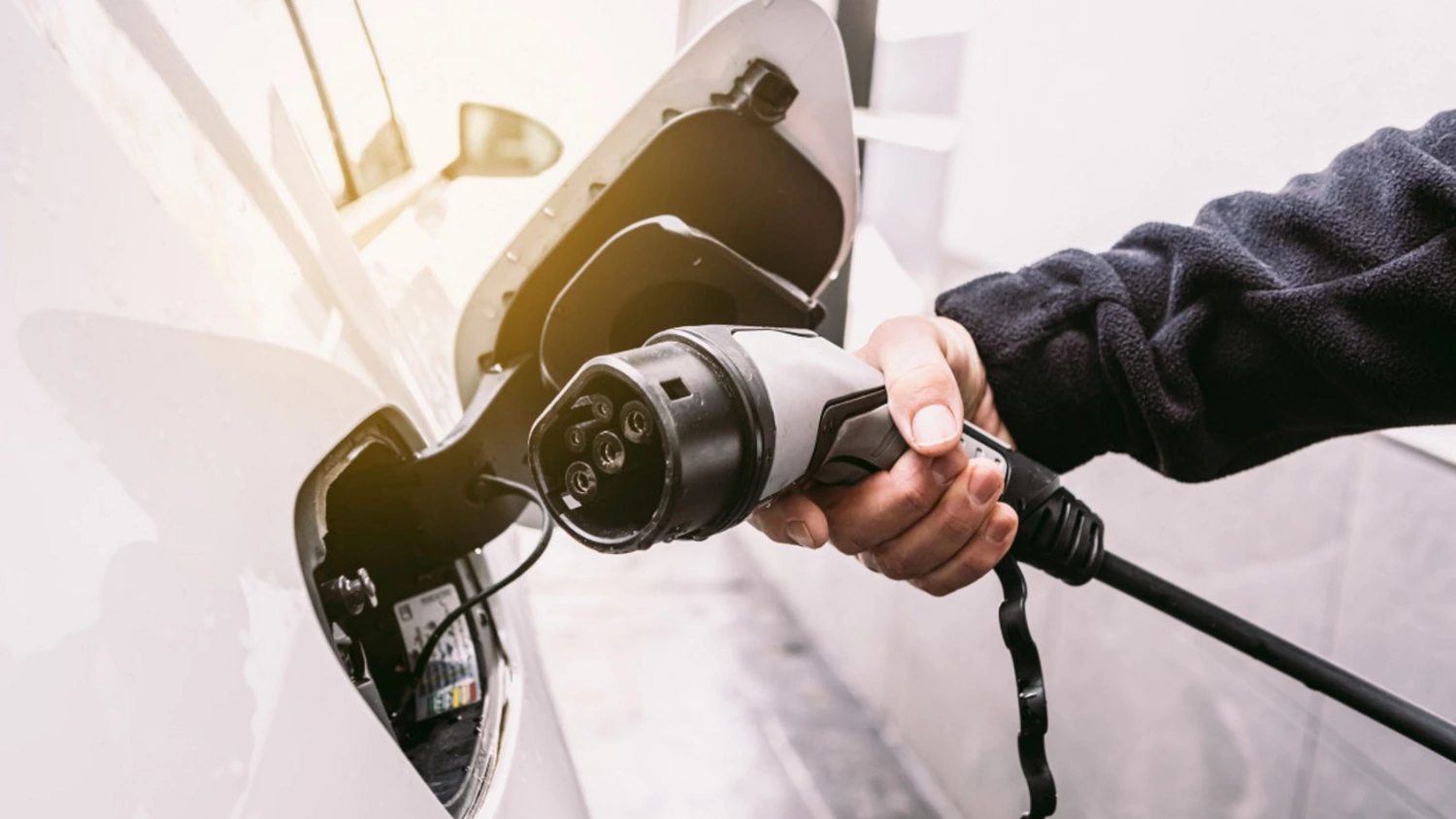
The European Bank for Reconstruction and Development is providing €35 million to GreenWay as part of a €113 million financing package to expand electric vehicle charging infrastructure across Central Europe.
The newly published Edition 2 2026 of the PV Module Manufacturer Ranking Report shows the first signs of stabilisation in the solar manufacturing sector's balance sheets after more than a year of steady deterioration. The table tracks the Altman Z-Score, a widely used measure of bankruptcy risk, for 64 publicly listed photovoltaic module manufacturers, and has now been refreshed with first-quarter 2026 data.
The Faculty of Hydrotechnics from the Technical University of Civil Engineering Bucharest and Waldevar Floating PV have signed a strategic partnership to accelerate innovation in renewable energy and prepare the next generation of specialists in floating photovoltaic technologies.
Join Lisa Chase and Tjidsger Wierda for a workshop on 28 May
Rezolv Energy has commissioned the St. George solar park in Silistra, Bulgaria, marking the company's first project to become operational. The 225 MW facility reached full operational status in under three years from acquisition of development rights.