MEPs and the Spanish Presidency of the Council informally agreed on plans to facilitate the uptake of renewable and low-carbon gases, including hydrogen, on the EU's gas market.
Between August 2022 and January 2023, Romania is managing to reduce fossil gas consumption by approximately 25%, according to a report published by CEE Bankwatch Network. According to the report, Romania allocates four times more European funds for fossil gas, despite the climate objectives. Between 2014 and 2020, fossil gas-based projects in Romania and Poland benefited from €230 million and €1.3 billion respectively from European funds.
About $2.8 trillion is set to be invested globally in energy in 2023, of which more than $1.7 trillion is expected to go to clean technologies – including renewables, electric vehicles, nuclear power, grids, storage, low-emissions fuels, efficiency improvements, and heat pumps – according to the IEA's latest World Energy Investment report.
Global energy-related carbon dioxide emissions hit a record high last year, even as more clean technologies such as solar power and electric vehicles helped limit the impact of increased coal and oil consumption, according to the International Energy Agency (IEA). Scientists warn that energy users around the world must dramatically reduce emissions to slow the ill effects of global warming.
Two-thirds of the decline in Russian natural gas supplies has been offset, mainly through increased purchases of liquefied natural gas (LNG) and a greater volume of pipeline gas from Norway, leaving Europe with more gas in storage than it needs to meet its end-of-winter demand.
This winter continues to be fairly mild in Europe, which means that the gas shortages that many had predicted as a worst-case scenario have been avoided. The unusual weather has resulted in favourable gas storage figures, so Europe can look forward to next winter in a much more favourable position, as was also priced in today on the Dutch gas exchange, where gas prices fell sharply this morning.
The European Commission approved the acquisition of Lotos by Polish PKN Orlen in the summer, and the news also had Hungarian implications, as PKN had to sell assets in order to acquire its sector partner, some of which were to be obtained bz Hungarian energy group Mol. The latest news is that this transaction has been completed, with Mol buying Lotos Paliwa, which operates 80% of the petrol stations owned by the Lotos oil company, for a total of USD 610 million.
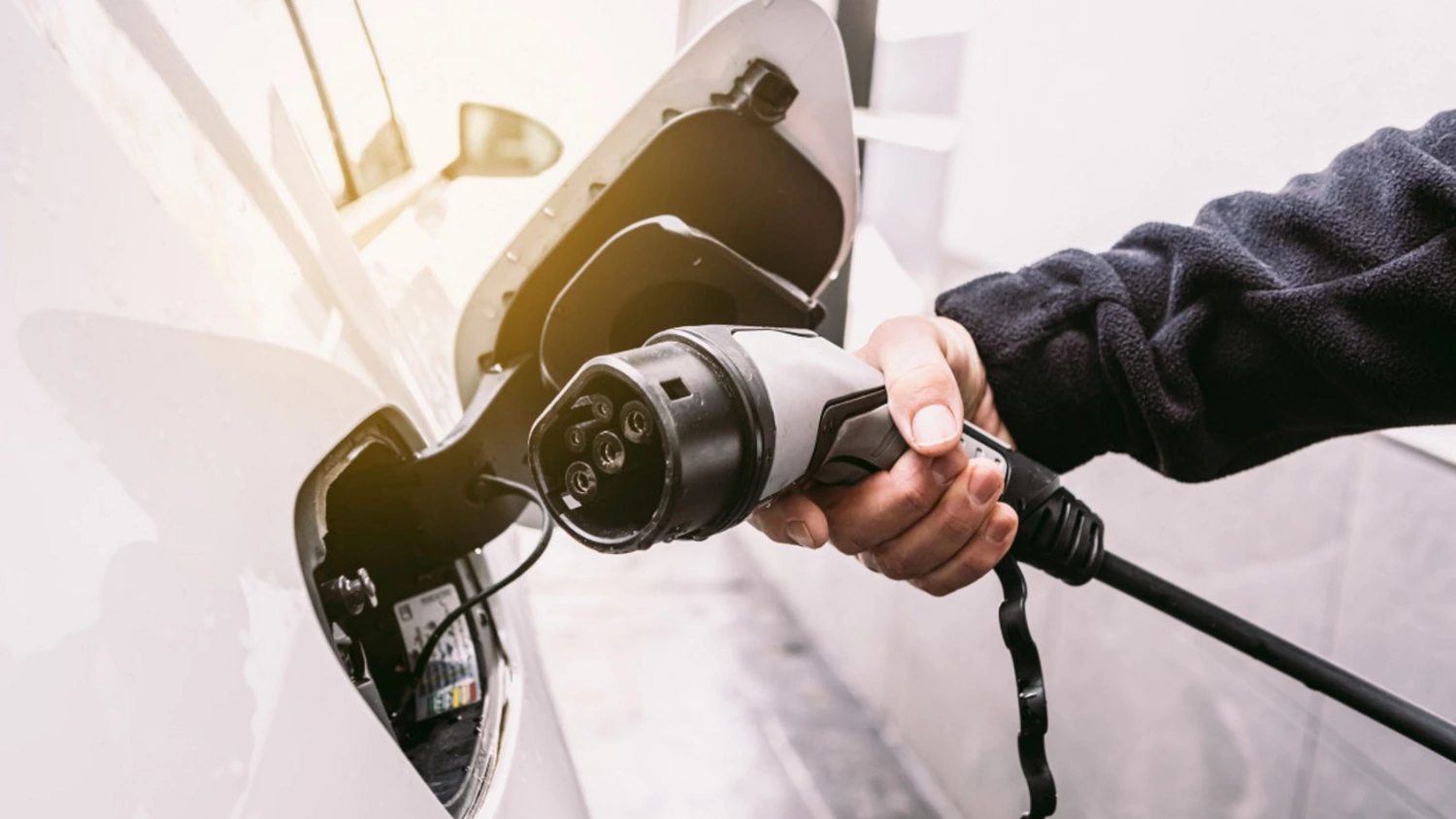
The European Bank for Reconstruction and Development is providing €35 million to GreenWay as part of a €113 million financing package to expand electric vehicle charging infrastructure across Central Europe.
The newly published Edition 2 2026 of the PV Module Manufacturer Ranking Report shows the first signs of stabilisation in the solar manufacturing sector's balance sheets after more than a year of steady deterioration. The table tracks the Altman Z-Score, a widely used measure of bankruptcy risk, for 64 publicly listed photovoltaic module manufacturers, and has now been refreshed with first-quarter 2026 data.
The Faculty of Hydrotechnics from the Technical University of Civil Engineering Bucharest and Waldevar Floating PV have signed a strategic partnership to accelerate innovation in renewable energy and prepare the next generation of specialists in floating photovoltaic technologies.
Rezolv Energy has commissioned the St. George solar park in Silistra, Bulgaria, marking the company's first project to become operational. The 225 MW facility reached full operational status in under three years from acquisition of development rights.