Ursus Breweries, the largest beer producer in Romania, has made an investment of €2 million in an installation that uses energy efficiency technologies for the recovery of thermal energy from burnt gases, at the brewery in Buzău.
Nokian Tyres has started construction work on its new tyre factory in Romania, the first unit with zero CO2 emissions in the tyre industry. The total value of the Oradea investment is estimated at approximately €650 million, which makes it one of the largest investments in Romania in recent years. The factory will employ 500 people.
The European Commission presented the centerpieces of a strategy on Thursday to ensure its industry can compete with the United States and China in making clean tech products and accessing raw materials required for the green transition. Global investment in the green transition is set to triple by 2030 from $1 trillion last year.
Real estate developer Iulius has entered into a partnership with IFC, a member of the World Bank Group, to develop a strategy to decarbonize the company's entire portfolio and reach the target of net-zero emissions.
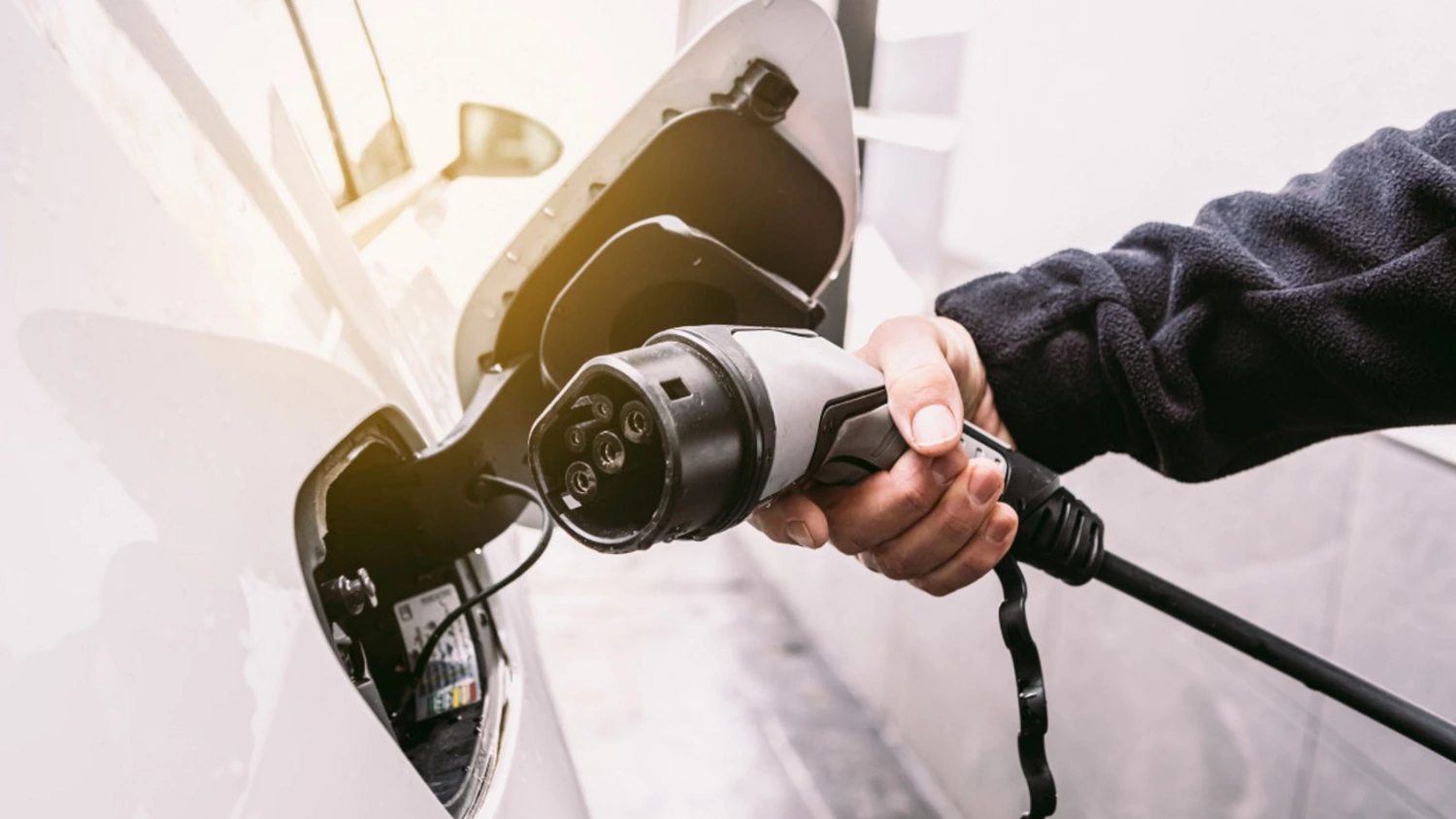
The European Bank for Reconstruction and Development is providing €35 million to GreenWay as part of a €113 million financing package to expand electric vehicle charging infrastructure across Central Europe.
The newly published Edition 2 2026 of the PV Module Manufacturer Ranking Report shows the first signs of stabilisation in the solar manufacturing sector's balance sheets after more than a year of steady deterioration. The table tracks the Altman Z-Score, a widely used measure of bankruptcy risk, for 64 publicly listed photovoltaic module manufacturers, and has now been refreshed with first-quarter 2026 data.
The Faculty of Hydrotechnics from the Technical University of Civil Engineering Bucharest and Waldevar Floating PV have signed a strategic partnership to accelerate innovation in renewable energy and prepare the next generation of specialists in floating photovoltaic technologies.
Rezolv Energy has commissioned the St. George solar park in Silistra, Bulgaria, marking the company's first project to become operational. The 225 MW facility reached full operational status in under three years from acquisition of development rights.