51% of Romanian entrepreneurs see sustainability as a way to reduce operational costs, yet the same proportion say implementation is too expensive, according to a new study by BRD Groupe Société Générale. Conducted among micro and small-to-medium enterprises, the research outlines how Romanian entrepreneurs perceive the opportunities and challenges of transitioning to sustainable business models.
European companies are facing widespread challenges as they attempt to comply with the EU's new sustainability reporting standards, according to recent findings from the European Financial Reporting Advisory Group (EFRAG).
In the face of mounting environmental challenges, the FMCG sector is using innovation to reduce ecological impact and cultivate consumer trust. In this article, we explore key innovations for FMCG led by entrepreneurs in Central and Eastern Europe, such as alternative packaging materials and low-carbon protein alternatives.
80% of Romanians are willing to do more for sustainability, and the main barriers are the lack of easy access to information and personal resources, according to a study carried out by the Arctic Foundation in collaboration with Ipsos. 38% say they don't know what to do to be more sustainable, and 34% believe they don't have time to act in this direction.
An EY survey found that experts are much more likely to take concrete action by stepping up investment in sustainability. Nine out of 10 companies (90%) said they plan to increase their investments in sustainability. The survey also identified a key link between effective board sustainability governance and company business performance.
Romanian businesses perceive climate change and access to finance as threats to their businesses, an EIB investment survey shows. 69% of the surveyed Romanian companies say that climate change has a negative impact. Also, a third of Romanian companies have invested in improving energy efficiency in the last year, close to the EU average of 40%.
The Boysen Group will invest HUF 60 billion to create 400 new jobs in Nyíregyháza, where the company will produce electric car components for BMW's Debrecen plant.
The European Commission approved the acquisition of Lotos by Polish PKN Orlen in the summer, and the news also had Hungarian implications, as PKN had to sell assets in order to acquire its sector partner, some of which were to be obtained bz Hungarian energy group Mol. The latest news is that this transaction has been completed, with Mol buying Lotos Paliwa, which operates 80% of the petrol stations owned by the Lotos oil company, for a total of USD 610 million.
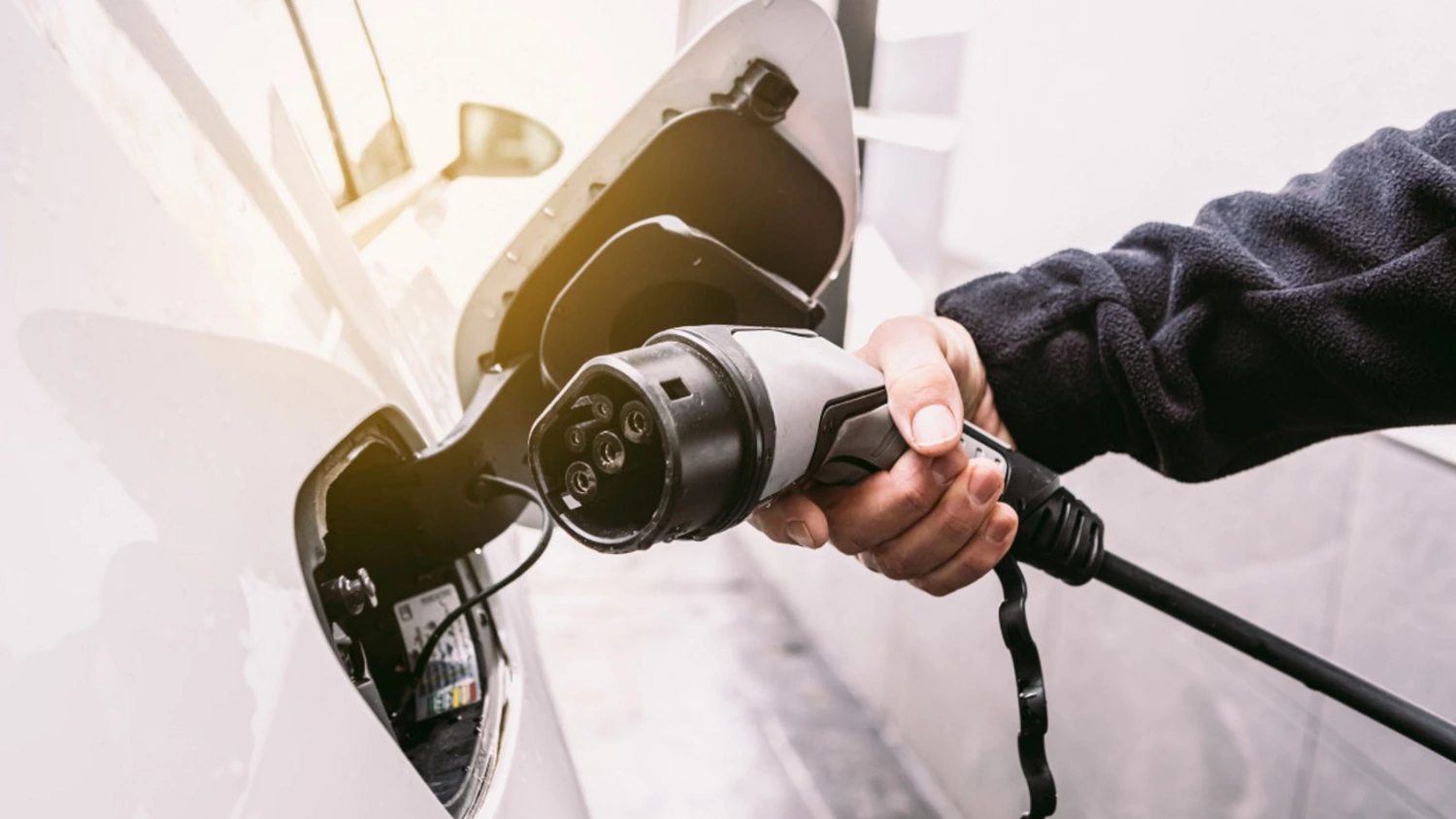
The European Bank for Reconstruction and Development is providing €35 million to GreenWay as part of a €113 million financing package to expand electric vehicle charging infrastructure across Central Europe.
The newly published Edition 2 2026 of the PV Module Manufacturer Ranking Report shows the first signs of stabilisation in the solar manufacturing sector's balance sheets after more than a year of steady deterioration. The table tracks the Altman Z-Score, a widely used measure of bankruptcy risk, for 64 publicly listed photovoltaic module manufacturers, and has now been refreshed with first-quarter 2026 data.
The Faculty of Hydrotechnics from the Technical University of Civil Engineering Bucharest and Waldevar Floating PV have signed a strategic partnership to accelerate innovation in renewable energy and prepare the next generation of specialists in floating photovoltaic technologies.
Rezolv Energy has commissioned the St. George solar park in Silistra, Bulgaria, marking the company's first project to become operational. The 225 MW facility reached full operational status in under three years from acquisition of development rights.